Police Impound Trailers
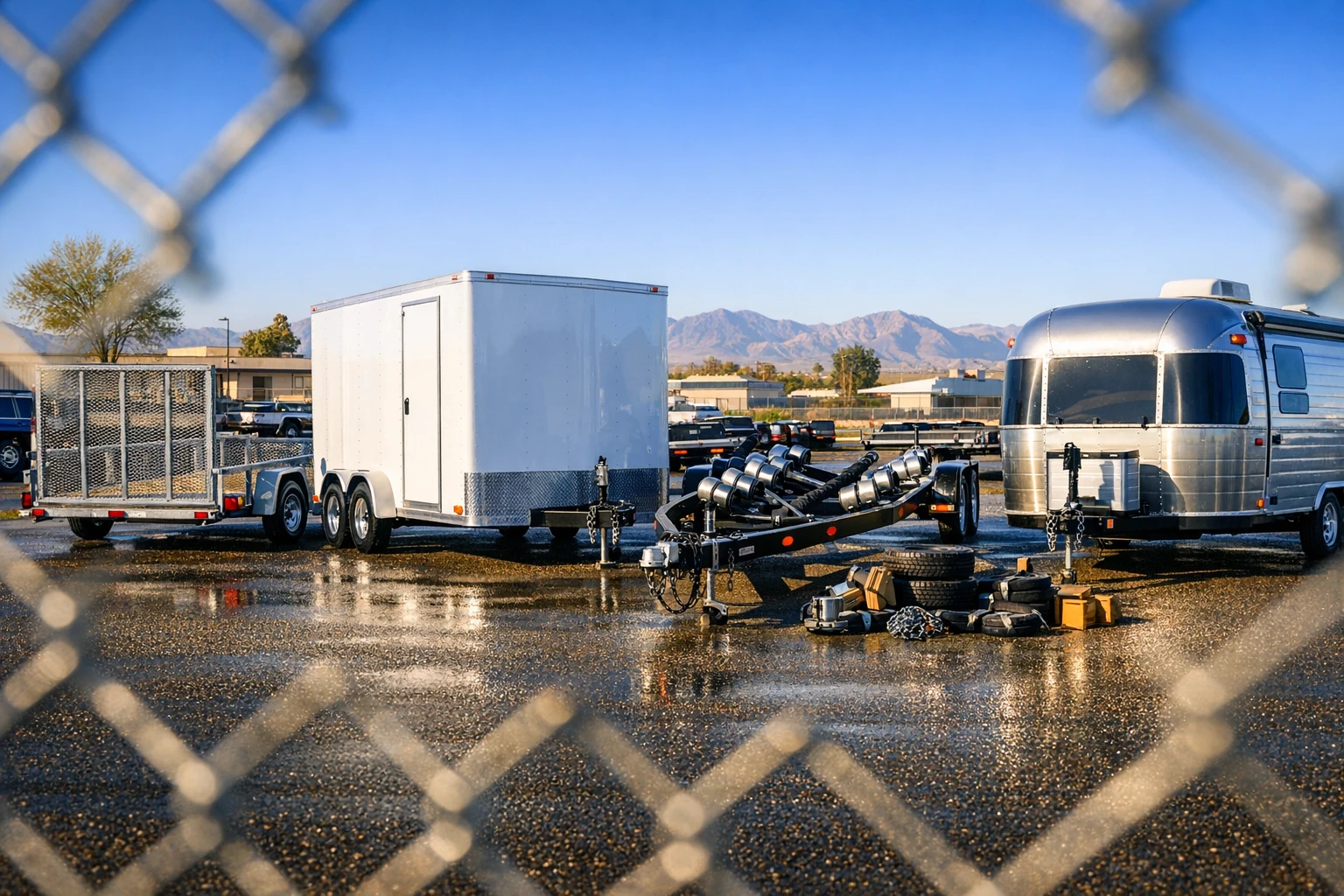
Tow yards rarely inspire curiosity, yet the rows of seized trailers behind chain-link fences tell practical stories about paperwork, property rights, and transportation rules. For owners, buyers, and small-business operators, understanding how Police Impound Trailers are handled can save money, time, and legal frustration. This guide explains why trailers are impounded, how release and auction systems work, and which risks deserve close attention. Read on, because the smallest label on a frame can matter as much as the trailer itself.
Outline: this article moves through five clear stages. First, it explains what impound trailers are and why they deserve attention beyond the usual discussion around cars. Next, it looks at the most common reasons a trailer ends up in a police lot, including safety violations, ownership disputes, and abandonment. The third section covers the release process for owners, while the fourth examines auction buying and inspection strategy. The final section pulls everything together with cost analysis and practical takeaways for readers who want to make sound decisions.
What Impound Trailers Are and Why They Matter
When most people hear the word impound, they picture a sedan towed from a no-parking zone or a pickup removed after an arrest. Trailers, however, form a separate and often misunderstood category. A trailer can be a simple utility platform, an enclosed cargo hauler, a boat trailer, a livestock unit, a travel camper, or a heavy commercial rig designed to carry equipment. Each type serves a different purpose, and each can create a different legal or financial problem when it is taken into custody.
Police Impound Trailers matter because they occupy the intersection of transportation law, property ownership, and local enforcement. A contractor may lose access to tools when an equipment trailer is seized. A family may face vacation disruption if a travel trailer is removed for registration issues. A buyer at auction may see a bargain sitting in the yard, only to discover that the axle is bent, the title is unclear, or storage practices have accelerated rust and water damage. In other words, the trailer itself is only part of the story. The paperwork attached to it can be just as important as the frame, tires, and hitch.
Unlike many passenger vehicles, trailers can be harder to identify at a glance. Some carry separate plates, some use VIN plates or serial tags mounted on the tongue or frame, and some older or homemade units create documentation challenges that do not show up in typical car transactions. That makes impound cases more complicated. A missing title, an unreadable serial plate, or a mismatch between registration records and physical markings can delay release or reduce market value.
Several groups should pay close attention to this topic:
– private owners who need to recover a seized trailer quickly
– business operators whose workflow depends on hauling equipment or materials
– auction buyers searching for lower purchase prices
– mechanics, rebuilders, and resellers evaluating repair risk
– legal and administrative staff dealing with liens, notices, and title transfer
There is also a wider public-interest angle. Impound systems are meant to protect road safety, clear abandoned property, preserve evidence when necessary, and enforce compliance with licensing rules. At their best, they keep dangerous equipment off the road. At their worst, they can become confusing, expensive, and intimidating for people who do not understand the process. That gap between official procedure and everyday understanding is exactly why this subject deserves a careful look rather than a quick guess.
Why Trailers Get Impounded in the First Place
A trailer usually does not land in an impound lot because of one dramatic event. More often, it arrives there through a chain of small failures: expired registration, no visible plate, unsafe lights, broken coupler hardware, unpaid parking citations, an accident investigation, or a location that turns a parked trailer into a public nuisance. Some cases are straightforward, while others involve competing claims of ownership or suspected theft. The reason matters because it affects how long the trailer stays in custody and what steps are needed for release.
Police Impound Trailers are commonly linked to public safety concerns. If a trailer is left on a roadway shoulder without proper markings, it can become an immediate hazard. If it has bad tires, loose chains, defective brakes, or a cracked frame, officers may determine that it is unsafe to tow on public roads. If it is attached to a vehicle involved in a crime or collision, investigators may keep it longer as part of an evidence hold. In those situations, the question is not simply who owns it, but whether it must remain available for inspection, documentation, or court proceedings.
Administrative reasons are just as common:
– expired or missing registration
– unpaid fines or unresolved municipal violations
– abandonment on public or private property
– suspected stolen status or altered identification numbers
– blocked access, illegal parking, or code enforcement problems
– towing after the arrest or incapacitation of the driver pulling it
Trailers also differ from cars because they may contain separate property. An enclosed cargo trailer might hold lawn equipment, inventory, motorcycles, or construction tools. A horse trailer may have partitions, tack storage, or business-related gear. A concession trailer could contain appliances and fixtures that have their own value. That raises practical questions: is the trailer impounded as a unit, can the contents be removed, and who has the right to claim those contents? Answers vary by jurisdiction, which is why local rules matter so much.
Another overlooked reason for impound is paperwork that does not travel with the trailer. Owners sometimes assume the towing vehicle registration proves everything. It does not. A trailer can require its own title, plate, inspection, or tax record depending on state law and weight class. Homemade trailers may need assigned identification numbers. Commercial trailers may face additional compliance requirements. One missing document can set the whole process in motion. Seen from a distance, the yard looks quiet. Seen up close, it is full of cases built from small administrative details that suddenly become expensive.
How Owners Can Recover an Impounded Trailer
If your trailer has been seized, speed matters. Storage fees often grow daily, and delays can turn a manageable problem into a painful invoice. The first step is not arguing at the counter or guessing what the lot needs. It is identifying the exact reason for the impound and determining whether a police hold, court order, or administrative flag is attached to the file. Without that information, even a legitimate owner can spend hours gathering the wrong documents.
For many Police Impound Trailers, the release path begins with a phone call to the agency listed on the tow notice or a visit to the department handling impound records. Ask three direct questions: why was the trailer impounded, what documents are required for release, and what fees are currently due. If the trailer is on an evidence hold, the yard itself may not be able to release it until the investigating agency signs off. If the impound arose from registration or title issues, a motor vehicle office may need to correct records before the yard can act.
Owners are often asked to provide some combination of the following:
– government-issued photo identification
– title, registration, or a certified ownership record
– proof of insurance where applicable
– bill of sale for recent purchases not yet fully transferred
– lien release if a lender interest was previously recorded
– business authorization if the trailer is registered to a company
– receipts or documents proving lawful possession of the contents
Practical obstacles appear quickly. The title may be inside the impounded trailer. The registered owner may be different from the person who normally uses it. A trailer bought at a private sale may still show the previous owner in the system. The serial plate may be damaged by rust or paint, making verification slower. If the trailer was stolen and then recovered, investigators may inspect it for tampering before release. None of this is unusual, which is why patience and document organization matter more than emotion.
It also helps to ask for a complete fee breakdown. Separate charges may apply for towing, storage, administrative processing, after-hours gate access, or specialized handling for oversized units. In some places, owners can request a hearing to challenge the impound or certain fees, especially if notice procedures were not followed. That does not guarantee success, but it may be worth exploring when the bill becomes disproportionate.
The smartest approach is simple: act fast, keep records, and confirm each step in writing when possible. A short email summarizing the conversation, the agency contact, and the required documents can prevent confusion later. In impound cases, clarity is not a luxury. It is often the difference between reclaiming a trailer and losing it to auction.
Auction Buying: Opportunity, Risk, and Inspection Strategy
To some buyers, impound auctions feel like hidden treasure maps. A dusty trailer behind a fence can appear to be an inexpensive route into hauling equipment, moving materials, or starting a small business. Sometimes that instinct is right. Unclaimed trailers may sell below typical retail prices, especially when the yard needs space and bidders are cautious. Yet auction value is never just the winning bid. Transport, title work, repairs, missing parts, and compliance upgrades can dramatically change the final cost.
Police Impound Trailers often appeal to three types of buyers: budget-minded individuals, professional rebuilders, and business owners who can repair equipment in-house. Compared with a dealer purchase, an impound auction may offer a lower entry price but far fewer protections. Compared with a private-party sale, it may provide a more structured transfer process but less opportunity for negotiation or maintenance history. That trade-off is the heart of the decision. A trailer can be cheap without being economical.
Before bidding, inspect whatever the auction rules allow. Focus on structural integrity first, cosmetics second. Fresh paint can hide trouble, while a shabby-looking unit may still be mechanically sound. Key checkpoints include:
– frame straightness and visible weld quality
– condition of the coupler, safety chains, and jack
– axle alignment and spring or torsion suspension condition
– tire age, sidewall cracking, and wheel bearing play
– floor rot, soft spots, corrosion, or water intrusion
– lighting harness damage and connector type
– VIN or serial plate presence and legibility
– signs of collision, overloading, or amateur modifications
Bring a flashlight, gloves, and a calm mindset. If you are buying an enclosed trailer, smell matters more than many first-time bidders realize. A sour odor can suggest long-term leaks, mold, or contaminated contents. Check doors for sagging, examine roof seams, and look under the trailer for fresh undercoating that may conceal rust or patchwork. If the auction allows no test towing, assume you will need a transport plan rather than a spontaneous highway trip home.
Read the auction terms closely. Many sales are strictly as-is, where-is. Some provide limited title documentation; others require the buyer to complete additional state paperwork. There may also be deadlines for removal, and missing them can trigger extra charges. A disciplined bidder sets a ceiling price before the sale begins and refuses to chase the adrenaline of the crowd. Auctions are loud, fast, and a little theatrical. Good decisions, by contrast, are usually quiet.
Conclusion for Owners, Buyers, and Fleet Operators
Whether you are trying to reclaim a seized unit or thinking about raising your bidder card at an auction, the smartest move is to treat trailers as legal assets first and physical equipment second. The metal, wood, tires, and wiring are easy to see. The hidden value lies in paperwork quality, release status, title clarity, and the cost of bringing the trailer back into safe service. That is why rational decision-making beats hopeful guesswork every time.
For owners, the key lesson is urgency. If a trailer has been towed, gather documents quickly, confirm the hold status, and ask for a written fee breakdown. For buyers, the lesson is discipline. A low hammer price does not erase the possibility of axle repairs, brake work, new tires, lighting rewiring, registration fees, and transport costs. For fleet operators and contractors, the lesson is prevention. Regular inspections, current records, secure parking, and clear asset tracking reduce the chance that a working trailer disappears into an administrative maze.
Police Impound Trailers can be worthwhile opportunities, but only when viewed through a full-cost lens. Consider a simple decision filter before acting:
– Can ownership be proven or transferred cleanly?
– Can the trailer be moved legally and safely after purchase or release?
– Are repair estimates grounded in inspection, not optimism?
– Will the finished trailer suit your actual hauling needs?
– Is the total cost still attractive after fees, parts, and compliance steps?
If the answer to several of those questions is no, walking away may be the best financial choice. That is not failure; it is judgment. A trailer yard often tempts people with the romance of the bargain, the cinematic idea that one lucky find changes everything. Real value is usually less dramatic. It comes from careful reading, patient inspection, and respect for the rules that govern ownership and road use.
For the target audience of this topic, the final takeaway is straightforward: learn the process before the process learns you. Owners protect themselves by staying organized. Buyers protect themselves by staying skeptical. Businesses protect themselves by treating compliance as part of operating cost, not as an afterthought. In a field where small details create big consequences, informed decisions remain the most reliable piece of equipment you can bring with you.