Front Doors: Options and Cost Considerations
A front door does more than close an opening; it frames arrival, shapes first impressions, and quietly influences safety, comfort, and energy use. Many homeowners start with color or panel style, but a stronger choice comes from comparing materials, insulation, glazing, durability, and installation demands. This guide explores Front Doors: Options and Cost Considerations in a practical way, helping you match design goals with real costs before you commit.
Outline and Why the Entry Door Matters More Than Many Homeowners Expect
Before comparing products, it helps to see the full map of the decision. A front entrance is part architecture, part weather barrier, and part security feature. It is also one of the few parts of a home that guests touch, notice, and remember. A beautiful slab with weak weatherstripping can disappoint in winter, while a highly secure unit that clashes with the facade may feel like a missed design opportunity. That tension is exactly why the topic deserves a structured look rather than a quick trip through a showroom.
This article follows a simple outline so readers can move from broad ideas to practical buying choices:
- Why the entry door influences appearance, comfort, and resale perception
- How materials differ in durability, upkeep, insulation, and price
- Which design features change function as much as style
- Where the real costs come from, including labor and upgrades
- How to choose sensibly based on climate, budget, and household needs
Think of the entry door as the handshake of the house. It introduces the home before a word is spoken, yet it also stands in the path of rain, sunlight, temperature swings, and daily traffic. That combination makes it a practical investment rather than a purely decorative purchase. A homeowner replacing an aging unit may be solving several issues at once: drafts near the foyer, sticking during seasonal humidity changes, worn locks, peeling finish, or dated appearance. In newer homes, the goal may shift toward higher efficiency, cleaner lines, or smart hardware integration.
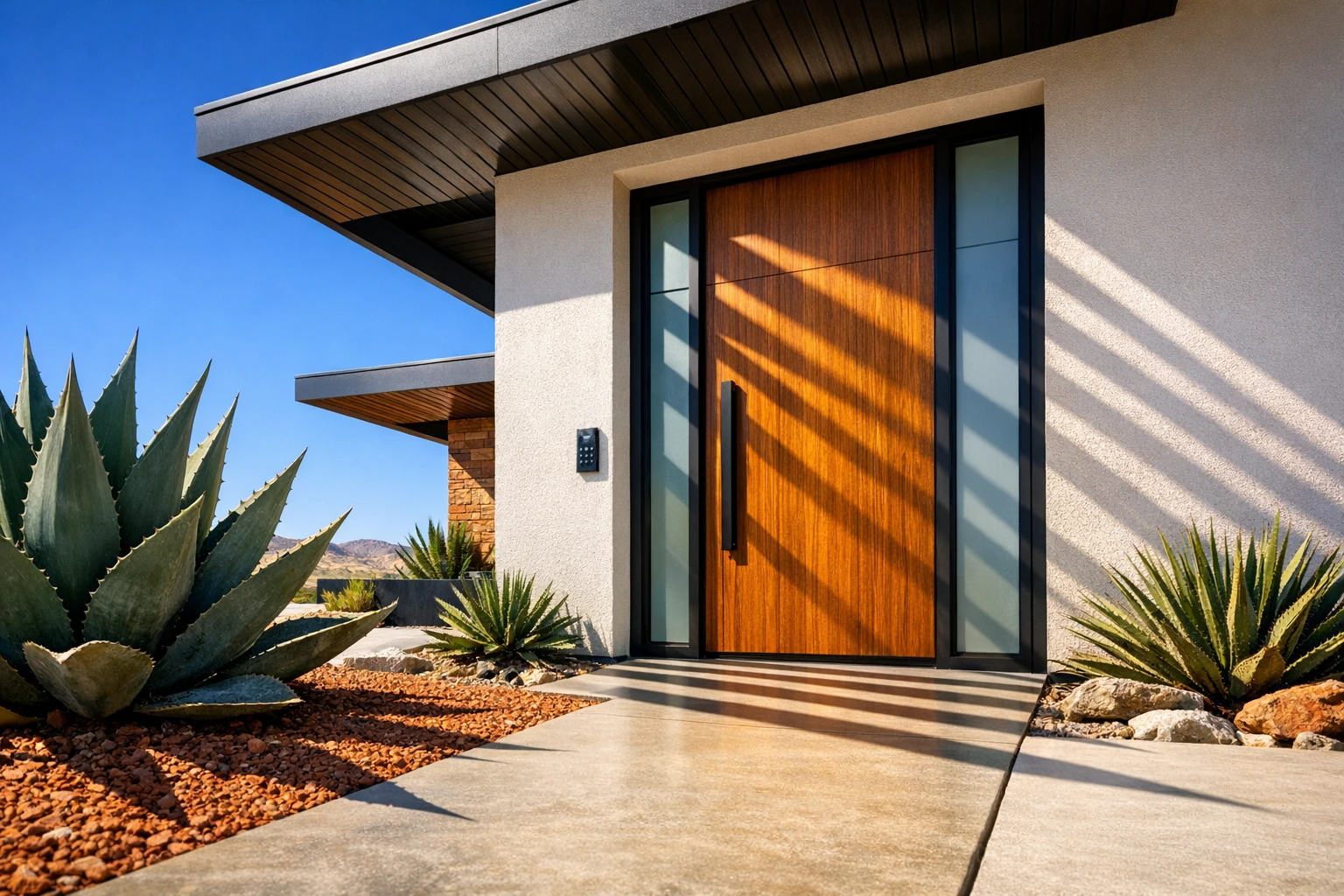
Functionally, the main entrance contributes to security, air sealing, and acoustic control. In busy neighborhoods, a solid, well-installed unit can reduce street noise. In cold or hot climates, insulated cores, proper thresholds, and tight weatherstripping help limit energy loss. On the visual side, panel patterns, glass inserts, hardware finishes, and sidelights shape the mood of the facade. Traditional homes often suit raised panels or stained wood looks, while modern exteriors may benefit from flush surfaces, long vertical pulls, and narrow glass lites.
Cost enters the conversation early because the purchase price is only one part of the total. A less expensive slab may still require frame work, trim changes, finishing, or lock upgrades. A premium unit may arrive prehung, factory finished, and better prepared for long service. Understanding the layers now makes the rest of the comparison easier and more realistic.
Material Choices: Steel, Fiberglass, Wood, and Glass-Focused Designs
The material of a door influences nearly everything that follows: price, maintenance routine, insulation value, resistance to dents or moisture, and even how the entrance feels when opened. In the residential market, most buyers compare steel, fiberglass, and wood first, with aluminum and glass-heavy systems appearing more often in modern or custom builds. Each option can work well, but none is ideal for every climate, house style, or budget.
Steel doors are often the entry point for cost-conscious replacements. They are widely available, usually come with insulated cores, and can offer good security when paired with a strong frame and quality lockset. They also tend to be lower in price than custom wood. The trade-off is that thinner steel skins can dent, and damaged finishes should be addressed before rust becomes a problem in wet conditions. For many homeowners, though, a well-made steel unit hits a very practical middle ground between performance and affordability.
Fiberglass doors are popular because they balance durability, low maintenance, and visual flexibility. Many models mimic wood grain convincingly from a normal viewing distance, which appeals to buyers who want warmth without the upkeep of solid wood. Fiberglass resists warping better than many natural wood products in humid climates and usually performs well in energy-conscious installations. Prices vary widely, especially once decorative glass and premium finishes are added, but the category is often considered a strong long-term value.
Wood doors remain the classic choice for craftsmanship, depth, and natural character. A real wood entrance can look exceptional on period homes, custom residences, and properties where material authenticity matters. However, wood asks more from its owner. Depending on exposure, the finish may need periodic refinishing, and moisture management becomes important. Sun, rain, and seasonal movement can all affect appearance and fit over time. That does not make wood a poor choice; it simply means the beauty comes with a higher commitment.
Other designs deserve mention as well:
- Aluminum-frame systems often appear in contemporary architecture and can support large glass areas cleanly.
- Doors with extensive glazing brighten interiors, but the glass package must be chosen carefully for privacy, efficiency, and security.
- Composite or engineered constructions combine skins, cores, and frames to improve stability and reduce maintenance.
When comparing materials, ask practical questions instead of chasing a label alone. How much direct rain hits the entrance? Is the home in a hot, cold, coastal, or highly humid region? Will the household maintain a stained finish every few years, or is a painted, lower-maintenance option more realistic? The best material is usually the one that fits the house, the climate, and the owner’s willingness to care for it over time.
Design Features That Shape Performance, Security, and Daily Experience
Once material is chosen, design details begin to separate a merely acceptable door from one that genuinely improves the entrance. This is where aesthetics and performance overlap. Panel configuration, glass placement, opening direction, threshold design, hardware selection, and frame quality all affect how the unit works in real life. A homeowner might fall in love with a full-view glass style in a showroom, then realize later that privacy, glare, or heat gain needs a closer look. Good design is attractive, but smart design is attractive for reasons that hold up after installation.
Glass is often the first feature people notice. It can flood a dark foyer with daylight and make a small entry feel more open, yet the amount and type of glazing matter. Decorative glass, frosted panels, divided lites, and narrow vertical inserts each create a different balance of brightness and privacy. Energy-efficient glass packages, including insulated and low-emissivity options, can help manage heat transfer. In colder regions, that can support comfort near the doorway; in sunnier climates, it may help reduce unwanted solar gain depending on orientation.
Security is another major design factor. A strong door slab alone is not enough if the frame, hinges, strike plate, or deadbolt installation is weak. Reinforced strike plates, longer screws into wall framing, solid-core construction, quality deadbolts, and durable hinges can all improve resistance. Smart locks add convenience, remote access, and activity tracking, though they also introduce battery management and connectivity considerations. Households that receive deliveries frequently or manage multiple users often appreciate keypad or app-based access more than they expect.
Weather performance deserves equal attention. A good seal depends on more than the door leaf itself. Look closely at:
- Weatherstripping quality and replaceability
- Sill and threshold design
- Sweep contact at the bottom edge
- Frame alignment and installation accuracy
- Insulated cores or thermal breaks where applicable
This is also the stage where Front Doors: Options and Cost Considerations becomes more than a style exercise. Every upgrade changes value in a slightly different way. A decorative glass insert might transform the facade instantly, while a better threshold may be almost invisible yet extremely useful on windy or rainy sites. Sidelights and transoms add elegance and daylight but increase both product and installation cost. Wider pivot-style or oversized units create dramatic curb appeal, though they usually move the project into a more custom price bracket.
In daily use, the best entry doors feel effortless. They latch smoothly, seal tightly, open without scraping, and suit the character of the home without shouting for attention. That quiet competence is usually the result of many small, well-chosen details working together.
Cost Breakdown: What You Pay For, Typical Price Ranges, and Hidden Expenses
Door shopping becomes much easier when costs are separated into logical categories. Many buyers focus first on the advertised unit price, only to discover later that hardware, finishing, frame work, glass upgrades, and labor can shift the total significantly. For planning purposes, it helps to think in layers: the door itself, the supporting components, the installation, and the extra work that old openings sometimes reveal.
In the United States, broad market ranges often look something like this, though brand, region, size, finish, and customization can move numbers up or down:
- Basic steel prehung door: roughly $400 to $1,500 for the unit
- Fiberglass prehung door: roughly $800 to $3,500
- Wood entry door: roughly $1,500 to $5,000 or more
- Custom or oversized systems with sidelights and decorative glass: often $3,000 to well above $10,000
- Standard installation labor: commonly $300 to $1,500, with complex work costing more
Those ranges are useful, but the details explain the final invoice. Prehung units usually cost more than slabs, yet they can simplify replacement when the old frame is damaged, out of square, or poorly sealed. A slab-only purchase may appear cheaper until hinge mortises, lock prep, or alignment work is added. Factory finishing also increases the sticker price, but it can save time and reduce the risk of an uneven field-applied coat. Decorative glass, premium hardware, multipoint locking systems, smart locks, and custom paint colors all nudge the total upward.
Then there are the hidden costs. If the opening has rot, water damage, insect activity, or framing movement, repair work may be necessary before the new unit goes in. Older homes may need trim adjustments, threshold leveling, new flashing, or minor drywall touch-up indoors. Brick, stone, or stucco exteriors can make replacement more labor intensive. Permit requirements vary by location, and while many door replacements are straightforward, structural modifications such as widening an opening are a different category entirely.
A simple budgeting model can help:
- Product cost for the door and frame
- Hardware cost for handles, deadbolts, hinges, and smart features
- Installation labor
- Finish work such as paint, stain, interior trim, or exterior casing
- Contingency fund, often 10 to 20 percent for older homes
Viewed this way, an economical project may land near the lower four figures, while a custom statement entrance can stretch far higher. The smartest approach is not to buy the cheapest unit or the most expensive one automatically. It is to spend where performance matters most for your home, then keep decorative upgrades aligned with the overall budget.
How to Choose the Right Door for Your Home, Your Climate, and Your Budget
After exploring materials, features, and pricing, the final step is decision-making with context. The right choice for a shaded suburban porch may be different from the right choice for a coastal home exposed to salt air or a city row house facing heavy foot traffic. This is where homeowners benefit from slowing down and translating preferences into a realistic purchase plan. A thoughtful decision often feels less dramatic than an impulse buy, but it tends to age much better.
Start with the conditions around the entrance. A deep overhang protects finishes and expands your options, while a fully exposed doorway places more stress on paint, stain, seals, and hardware. Climate matters just as much. In damp or highly humid regions, stability and moisture resistance deserve extra attention. In places with severe winters or hot summers, insulated construction and careful air sealing move higher on the priority list. Security needs vary too. A quiet cul-de-sac may favor decorative glazing and style, while a high-traffic urban location may call for reinforced hardware and clearer sightline management.
Next, decide where to spend and where to simplify. If the budget is limited, it can make sense to choose a well-made steel or fiberglass unit with solid basic hardware instead of stretching for a wood door that may demand more upkeep. If curb appeal is central to a renovation, a higher-grade fiberglass door with convincing grain, sidelights, and upgraded finish may deliver a more balanced return than an expensive exotic wood slab. For households focused on convenience, a smart lock and better lighting may improve daily life more than an ornate glass pattern.
A few practical rules can keep the purchase grounded:
- Match the door style to the architecture of the home rather than to a showroom trend alone.
- Ask for full installed pricing, not only the unit price.
- Check warranty details for finish, glass seal failure, and hardware coverage.
- Confirm whether the quote includes disposal of the old unit, trim work, and touch-up.
- Measure twice when ordering custom sizes, especially in older homes.
For readers evaluating Front Doors: Options and Cost Considerations, the central lesson is simple: buy with both eyes open. The best entry door is not defined by a single material, a fashionable finish, or a luxury price tag. It is the one that suits your home’s character, stands up to local conditions, protects the household, and feels worth the money every time you turn the handle.
In summary, homeowners, renovators, and budget-conscious buyers should aim for balance rather than extremes. Compare construction quality first, then layer in design features that genuinely improve comfort, appearance, and use. When the numbers are clear and the priorities are honest, the right entrance becomes easier to identify and far more satisfying to live with over the years.